Calculating the costs of your next tiling project can be a real head scratcher. From different tile materials, grouts, disposal fees, to installation costs and their long-term value - there’s so much to consider without this next project burning a huge hole in your pocket. 

Many homeowners sometimes make common mistakes such as not ordering enough tiles, ignoring preparation work on areas of their home before tiling and forgetting about waste disposal fees. These are just a few examples of mistakes that sometimes lead them into a downward spiral of having to spend even more money on work in their home.  

So, getting your budget right is important as you can run the risk of overspending. When researching what it takes to make a beautiful tiled wall, you may stumble across costs that you didn’t realise existed before. This is why we’re here to help you - we’ll explain what you might need to budget for, so you’ll be ready for your next tile project! 

Tile Materials: Their Costs Explained

The prices of different tiles can vary from one tile to another, depending on factors such as material and size. Let’s break down the costs of different tile materials so you can consider which ones are right for your budget: 

Porcelain Tiles

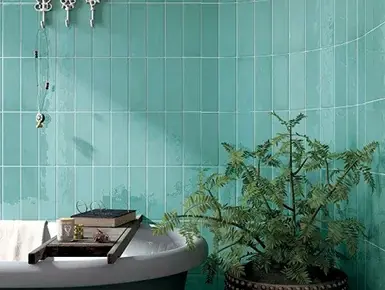
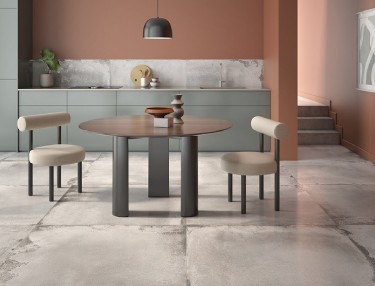
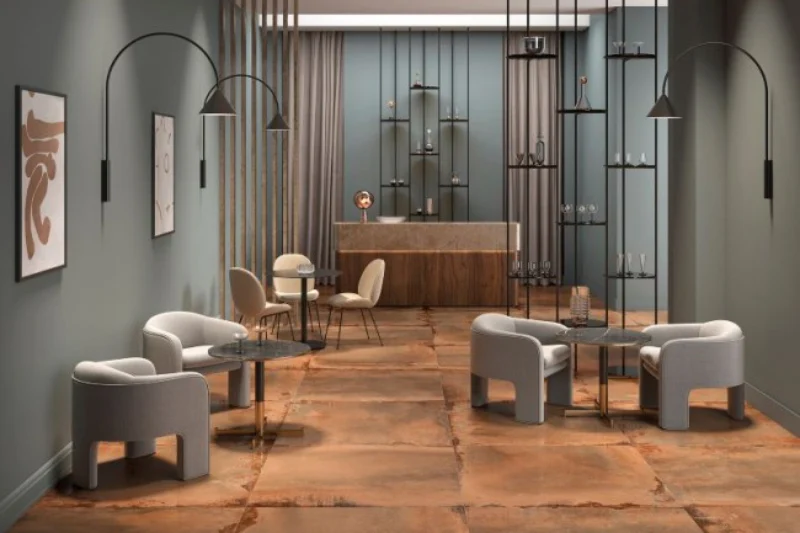
Porcelain tiles are often our most expensive tile option to choose from for your next project. However, the price comes with a good reason: they’re durable enough to make a great investment for many years to come. 

Porcelain is made from a mixture of natural clays and minerals, and is pressed into shape to remove air pockets. It’s then fired in a kiln at temperatures of around 1,200°C, giving it the qualities of strength, durability and practicality. 

With that being said, porcelain can be tricky to cut by yourself as it’s so strong. You might have to invest in a specialist porcelain tile cutter if you have the money and feel confident enough to try it yourself, or pay an expert to cut it for you.  

Not every tile project involves cutting tiles, but it’s something to consider. Areas in your home aren’t always a perfect shape, so fitting tiles into nooks and crannies might involve cutting some of them down. It’s often the case for edges, corners, around fixtures and even for custom patterns. 

Plus, porcelain tiles are not water-absorbent, making them ideal for wet environments. Resisting mould and easy to clean, they can make an affordable long-term option for your next tiling project. 

Ordering samples from us helps you get a feel for the type of tile you’d like in your home. For just £1.99, you can order up to 5 tile samples from us - we understand that it’s tricky to know which one is best to go for when purchasing online, so ordering a sample is a great way to save you money and not deal with the hassle of returns. 
Porcelain Tiles
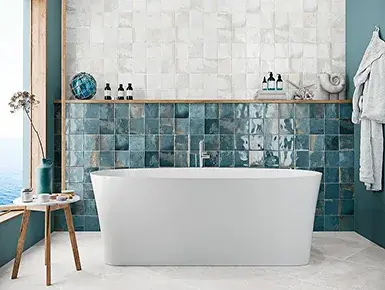
Ceramic Tiles

Ceramic Tiles

If you’re looking for a more cost-effective and budget-friendly option, which is likely since you’re reading this guide, then ceramic tiles make an affordable solution. 

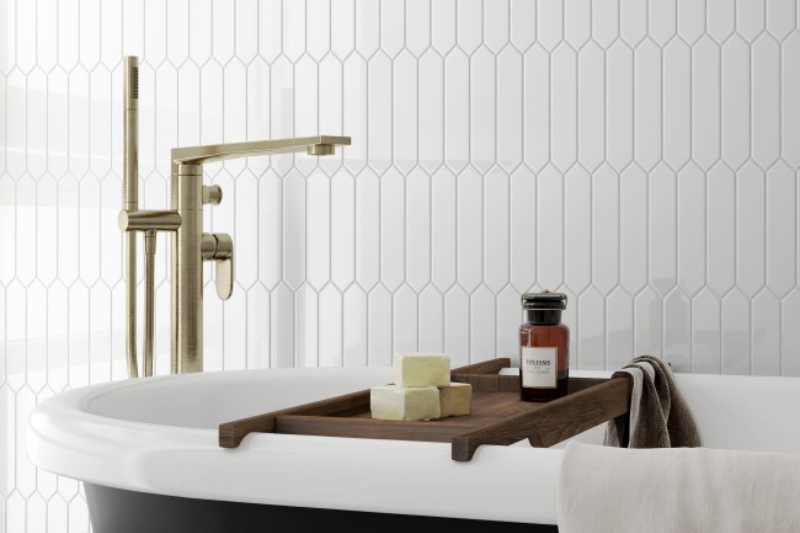
Ceramic tiles are fired at a lower temperature, making them softer and easier to cut down. If you’re a fan of the mosaic look or have your eye on a picket tile design, then ceramic is a great affordable option for the installation of your next project. 

As well as being easy to work with, ceramic tiles are also great for wall installations in bathrooms and kitchen splashbacks. Just like the porcelain tile, ceramic tiles have a water-resistant surface that’s easy to clean, so you don’t have to worry about the cost of repairs and replacements in the near future. Choosing ceramic tiles allows you to express your creativity by creating beautiful wall features on a budget! 

For more information on the differences between ceramic and porcelain tiles, why not take a look at some more of our guides? We weigh up their pros and cons and understand how both of these materials can have a place in your home.

How To Measure Your Space Accurately: Costs Per Square Metre

Calculating the area of your space and the budget you need to set for your next tiling project is a lot easier than you might think. 

Before buying your tiles, you need to understand exactly how big the area in which you're tiling is. Measure the length and width of this area, and multiply them together to get the total square metres.

We recommend that you add an additional 10-15% on top of this figure, so you can make room for waste, cutting, breakages and future repairs. This gives you a little bit of leeway so you don’t have to splurge on more delivery fees if you’re in need of more tiles. 

Installation Costs To Consider

Budgeting and being cost effective isn’t only just applied to buying the right tiles. It’s also essential to take the installation work into consideration. How will you plan on tiling your home? Will it be your next DIY project? Would you rather a professional help you out with the task? Let’s take a look at how you can budget for your next installation. 

Professional Installation

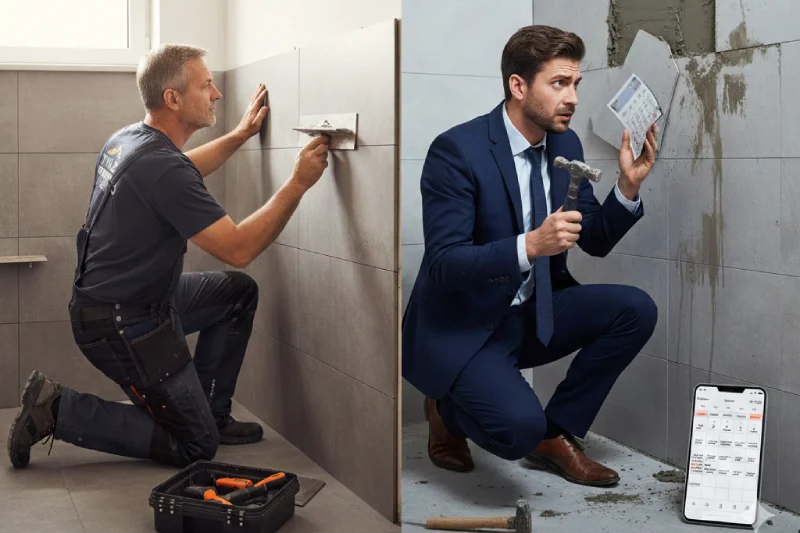
Putting your tiles in the hands of an expert is a great way to ensure that your tiles are done professionally and the final result looks great. However, it can sometimes be expensive to pay someone to do this job for you. 

On the flip side, professional installation is great for those who don’t have the time to install their tiles themselves due to their busy working lives. If you’ve never installed tiles before, you might be nervous on how to go about it and where to even start. 

This is the key with experts - they’re an investment into ensuring that the job is done correctly. Installing your tiles yourself, with no prior experience, can result in mistakes, more repairs needed and a lot more money than what you would have spent if you had just invested in an expert to do it for you to begin with. 

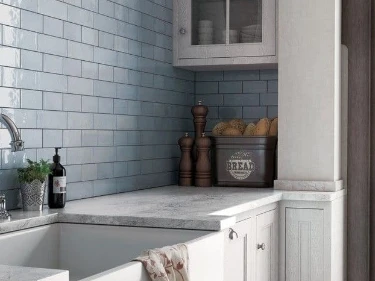
Professional Installation
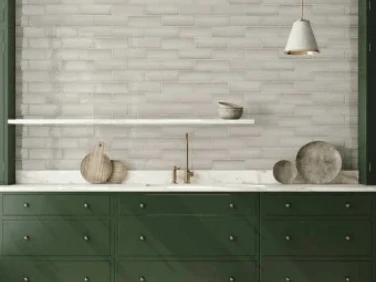
DIY Projects

DIY Projects

Some of you may be excited to do the tiling project yourself, which is a great way to save a bit of money rather than paying someone else to do it for you. 

More often than not, professionals work by charging by time and complexity, so completing your tiling project by yourself means you can go at your own pace without any hidden fees. 

Not only do you save money, you also teach yourself a new skill that can be highly-rewarding! 

For some more information on how to tile an area of your home by yourself, feel free to take a look at some more of our guides.

Grout & Adhesive Costs

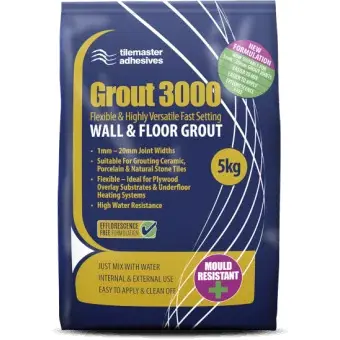
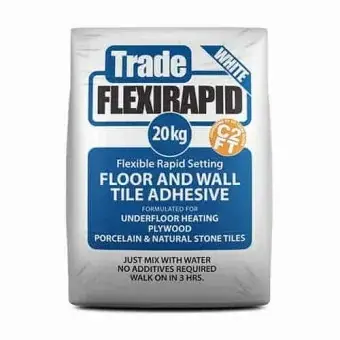
It goes without saying that you can’t complete your tiling project without your grouts and adhesives. They’re also very important to factor in when it comes to planning your budget!

Once you’ve identified which tiles you’d like to go for, it’s important to do the research on what grouts and adhesives are compatible for your tile type, as well as the environment in which your tiles are going to be in. Getting this wrong can unfortunately lead to your tiles breaking, and you’ll be left with the cost of more repairs in the future. 

For example, wet areas such as kitchens and bathrooms need water-resistant and flexible adhesive options, and tiles outside need frost-resistant ones so they’re suitable for all-year-round weather conditions. 

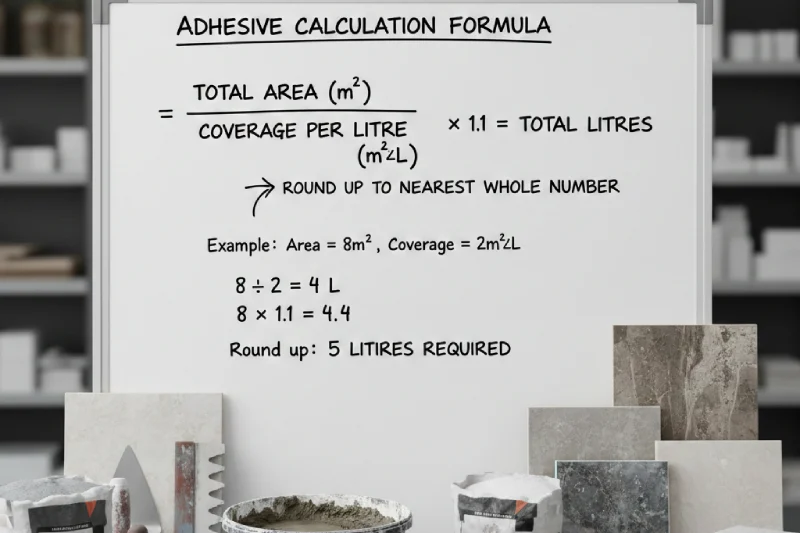
Working out how much grout and adhesive you need is also an important way to ensure you’re accurately budgeting and pricing your tilework. The amount of litres of adhesive paste needed is calculated by dividing the area of your location by the amount of space you can cover with one litre, and then multiplying this by an extra 10% just in case we needed more. For visual reference, a simple formula here is broken down: 

Adhesive needed (L) = Total Area (m²)
Coverage per litre (m²/L)
× 1.1

For example, let’s say our area measures 8 m², each individual tile in our project is 300×300 mm, and our adhesive we chose has a coverage of 2 m². Using the formula, we divide the total area by the coverage per litre: 8 ÷ 2 = 4 litres. To be on the safe side, we are adding an extra 10%, giving 4 × 1.1 = 4.4 litres. We then round up to the nearest litre, meaning we would need 5 litres of adhesive paste for this area to be tiled. This is an accurate way to ensure that you’re buying the right amount of adhesives and how you can factor in their exact costs for your budget.

When it comes to choosing your grout, ensuring that you have selected the right colour tone is also important for your budget so you know you’ll be happy with the aesthetics of the final result. You don’t want a grout that doesn’t match with the colour of your tiles, so having a think about which one you need is a good way to save you money and the future headache of starting all over again!

Grout & Adhesive Costs
Costs Of Wall & Floor Preparations

Costs Of Wall & Floor Preparations

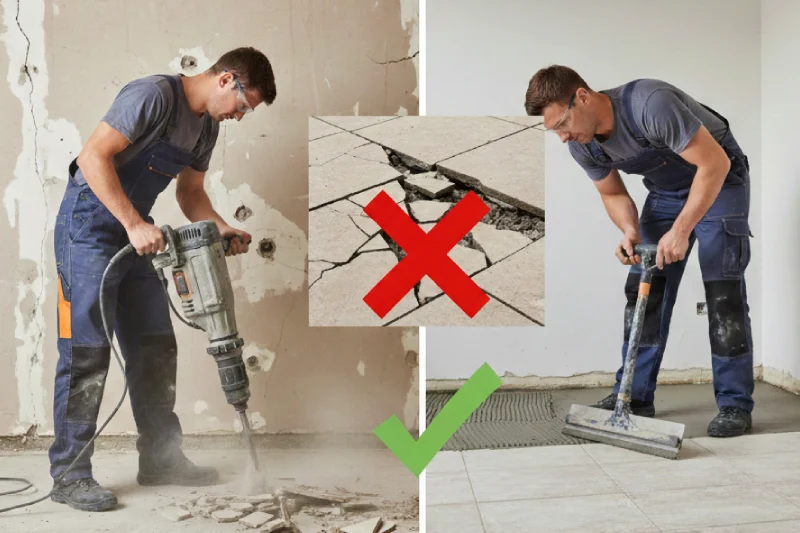
Another vital thing to bear in mind when it comes to your next tiling project is to consider the costs of preparing the area before you start. This may include anything from repairing damaged surfaces and removing old tiles, as you need to lay down a secure foundation to ensure that your tiles don’t crack or break over time. 

Making the mistake of not giving your tiles’ foundation the TLC that it deserves before you start your next project can do more harm than good. 

However, in some circumstances, you can tile over existing tiles. This is usually only when the old tiles are still definitely intact and fixed, the surface is clean and stable, suitable adhesive is used and the surface itself is level. If you’re unsure, you could consult a professional to double check if it’s suitable to go ahead with your project. If you’re good to go, tiling over existing tiles can be a great way to save time, money and waste. 

Costs Of Delivery & Waste Disposal

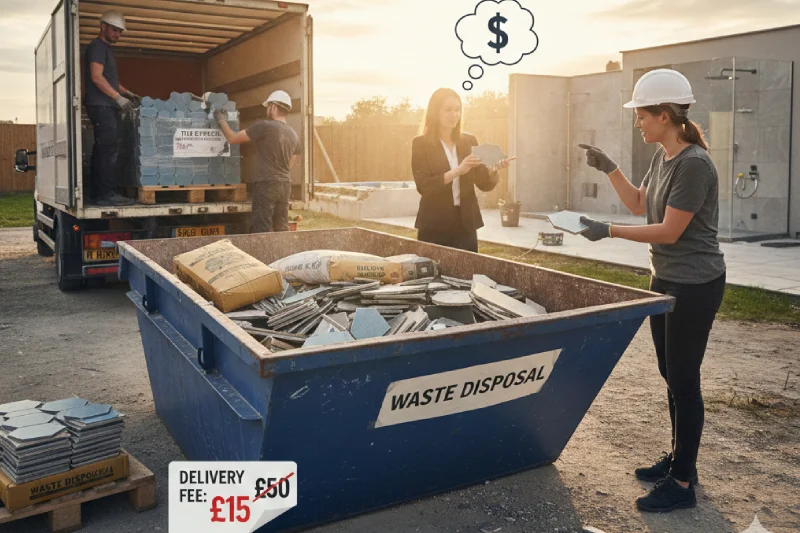
A common mistake that people often make when it comes to budgeting for their next tile project is how they don’t factor in the costs of delivery fees and waste disposal. 

In terms of delivery fees, a good tip is to ensure that you are happy with your purchase before you start your tiling projects. Like we mentioned before, ordering a sample from us is a good way to do this. Ordering everything you need for your project in bulk is a great way to reduce the amount of delivery fees, saving you money and time. 

Ethically disposing of your old tiles and any waste can also have some fees attached. If you’re planning on doing up your bathroom or revamping the patio, the costs of recycling centres, hiring skips or organising a waste disposal service are also essential factors to consider for your next tile project. 

Costs Of Delivery &  Waste Disposal
Long-term Costs & Value

Long-term Costs & Value

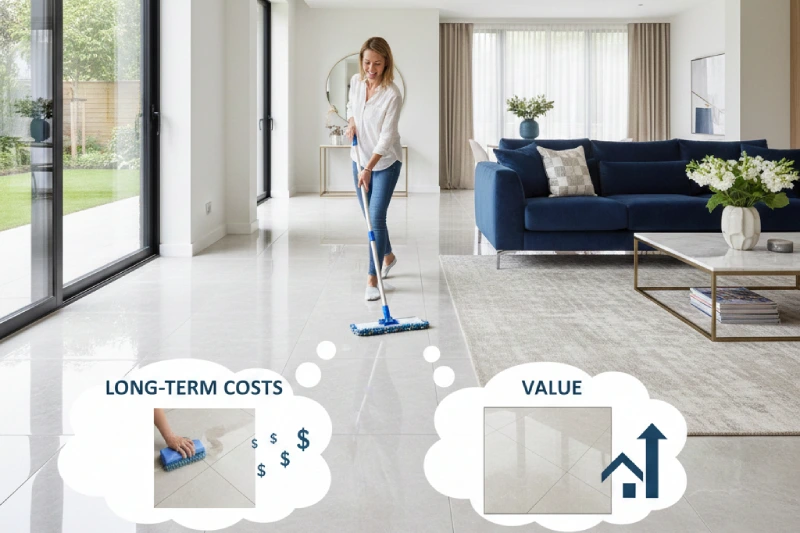
Planning your budget for your next tile project can also factor in your long-term costs and the value of your tiles. 

You can ask yourself questions such as, how easy would my tiles be to clean and how much am I willing to spend on them to maintain them? For example, spending a bit of extra money on good-quality tiles can have a big impact on the cost of cleaning them, reducing the time and effort needed for regular maintenance and helping them look new for longer. 

Investing in good-quality tilework and doing the job right can actually increase the value of your home. So, if you’re planning to renovate a property or you’re thinking about selling your house in the future, the tiles in your home can make a big impact on its perceived value. For more information on this topic, we have an article that discusses the impacts of contemporary tiles on the value of your home

Plan Your Cost-effective Budget Now

We hope you now have a better understanding on how to budget for your next tiling project. From tile materials, adhesives and grouts, long-term value and disposal costs - we’ve covered a wide variety of topics that can guide you to starting your affordable tile project.

If you have any other questions, our friendly customer service team is always here to help you, every step of the way! 


51 Reviews

Reviewsio

4.6 Rating 51 Reviews

Anonymous

Verified Customer

The price of the tiles definitely beat competitors and was a speedy delivery. However, the delivery was of poor quality, resulting in many broken tiles due to poor packaging on the pallete and poor delivery to the door. I've since written to customer service to remedy the issue, and even after several days there has been no reply. I'm not sure the savings is worth the hassle.

6 months ago

Kay Hardaway

Verified Customer

Arrived early, no breakages and tiles look very smart on outside water feature.

6 months ago

James Silcock

Verified Customer

Excellent transaction, tiles arrived in great condition, and driver wheeled them down the drive right to the front door, highly reccomended. Thanks.

6 months ago

Angela Lewis

Verified Customer

Very quick delivery and beautiful tiles

6 months ago

Lindsey Knight

Verified Customer

Arrived quickly, no broken tiles well packed. All very simple

9 months ago

Brian Grimwood

Verified Customer

Amazing service. I ordered one box of tiles and 24 hours later it was Delivered in good condition to the other end of the country!

11 months ago

Joseph Kinchin

Verified Customer

I needed these tiles with in two days, they arrived with in two days and are amazing quality, my client is over the moon with them, will be using online tile shop from now on

12 months ago

Susan Cowle

Verified Customer

Bought some fantastic tiles for my kitchen delivery was prompt. There was a little hiccup with delivery but the company sorted it professionally and quickly love the tiles. Can’t wait to go back to choose some more for my bathroom. Great company really friendly customer service team only too happy to help.

12 months ago

Dean Collier

Verified Customer

Website worked well, great selection of tiles, ordering was easy and the speed of delivery amazed me! Well done

0 months ago

Anonymous

Verified Customer

Very impressed with the service. We were left short of a specific tile when our bathroom supplier went bust. I found them on the Online Tile Shop's website, called them to check and received confirmation they had enough in stock. Delivery was quick and not expensive, and they kept in touch on the delivery progress. Would recommend.

2 months ago